South Florida has long been a destination of choice for international buyers seeking luxury real estate. The combination of no state income tax, a stable legal framework for property ownership, world-class infrastructure, and a genuinely cosmopolitan lifestyle makes Fort Lauderdale, Miami, and Palm Beach among the most sought-after real estate markets in the world for non-U.S. residents.
But purchasing real estate in the United States as a foreign national involves a set of considerations that differ significantly from domestic transactions. From entity structuring and tax implications to financing options and closing procedures, the process has nuances that can cost buyers significantly if not navigated correctly. This guide, based on my 20+ years working with international buyers across Europe, Russia, Latin America, and the Middle East, covers what you actually need to know.
Why South Florida? The Case for International Buyers
Before the "how," it's worth understanding the "why" — because the fundamentals driving international demand to South Florida are stronger today than at any point in the past decade.
- No state income tax: Florida has no personal income tax. For high-earning international residents or those transitioning to U.S. residency, this represents substantial savings compared to virtually every other major coastal market.
- Political and legal stability: The United States offers one of the world's most robust legal frameworks for private property ownership. For buyers from markets where property rights are less certain, this stability is a fundamental value proposition.
- Global connectivity: Fort Lauderdale-Hollywood International Airport (FLL) and Miami International Airport (MIA) offer direct flights to virtually every major European, Latin American, and Caribbean city. South Florida is genuinely accessible from anywhere in the world.
- Established international communities: South Florida is home to large, well-established communities from virtually every country — Venezuelan, Colombian, Brazilian, Argentine, British, German, and Russian communities all have strong presences. Buyers arrive into a social fabric that supports their transition.
- Safe harbor for capital: U.S. real estate, and waterfront South Florida property in particular, has demonstrated remarkable capital preservation through economic cycles. For buyers seeking to protect wealth, these markets have an enviable track record.
International buyers purchased approximately $42 billion in U.S. residential real estate in 2025, with Florida ranking #1 as the top destination state for the 16th consecutive year. South Florida accounts for the majority of Florida's international buyer activity.
Step-by-Step: How International Buyers Navigate the U.S. Purchase Process
Choose Your Buying Structure: Personal vs. Entity Ownership
One of the first decisions international buyers face is whether to purchase in their personal name or through a legal entity (LLC, foreign corporation, or trust). This decision has significant implications for privacy, estate planning, and tax efficiency. Many international buyers opt for a U.S. LLC (Limited Liability Company) or a Delaware corporation for privacy and liability protection. Consult with a U.S. real estate attorney and a cross-border tax advisor before deciding.
Obtain an ITIN (Individual Taxpayer Identification Number)
If you do not have a U.S. Social Security Number, you'll need an Individual Taxpayer Identification Number (ITIN) from the IRS before closing. This is required for tax withholding purposes under FIRPTA (see below). The application process takes 6–10 weeks, so start early. Your U.S. attorney can assist with the application.
Understand FIRPTA: The Foreign Investment in Real Property Tax Act
FIRPTA requires that when a foreign person sells U.S. real property, the buyer must withhold 15% of the gross purchase price and remit it to the IRS as a withholding tax. This is not the actual tax owed — it's a withholding that is applied toward any capital gains tax liability. Buyers need to be aware of this when purchasing from foreign sellers, and sellers need to plan for this when exiting. Proper U.S. tax counsel can minimize FIRPTA exposure significantly.
Open a U.S. Bank Account and Establish Wire Transfer Protocols
Most luxury transactions in South Florida close using wire transfers. International buyers should open a U.S. bank account prior to closing to simplify the wire process and avoid international transfer delays. Private banks (JP Morgan Private Bank, Citibank Private Client, HSBC Premier) are experienced in facilitating international client accounts and can often process wire transfers faster than retail banking channels.
Financing: Cash vs. Mortgage Options for Foreign Nationals
While many international buyers purchase South Florida luxury properties with cash, financing is increasingly available to foreign nationals. Several U.S. lenders offer "foreign national" mortgage programs that do not require U.S. credit history. Expect to provide larger down payments (typically 30–40%) and documentation of income and assets from your home country. Private banking relationships often offer the most competitive foreign national financing terms.
The Closing Process: What to Expect
Florida real estate closings are handled by a title company or real estate attorney (not the agents). The title company conducts a title search, issues title insurance, and manages the closing funds. International buyers can close remotely using a power of attorney, which is common for buyers who cannot travel to Florida for the closing. Your agent will coordinate with the title company to ensure all documentation is properly executed.
Tax Considerations for International Buyers
This is the area where international buyers most frequently encounter surprises, and where working with experienced U.S. tax counsel is absolutely essential. Key considerations include:
Property Tax
Florida property taxes are based on assessed value and are paid annually. Broward County property tax rates typically range from 1.8% to 2.2% of assessed value. Unlike many foreign markets, Florida property taxes are straightforward and well-administered. International buyers who do not establish Florida domicile are not eligible for the Homestead Exemption, which can reduce assessed value by up to $50,000.
Estate and Inheritance Tax
This is a critical area often overlooked by international buyers. Non-U.S. persons who own U.S. real property are subject to U.S. estate tax on the value of that U.S. situs asset at death — at rates up to 40%, with only a $60,000 exemption (vs. $13M+ for U.S. citizens). Owning property in a properly structured foreign entity can mitigate estate tax exposure significantly. This is why entity structuring decisions made at purchase time are so consequential.
Rental Income
If you rent your South Florida property while you're abroad, the rental income is subject to U.S. federal income tax. Foreign owners can elect to treat rental income as "effectively connected income" (ECI), which allows deductions for expenses and depreciation, often resulting in a lower effective tax rate. A U.S. tax advisor specializing in cross-border real estate is essential for optimizing this.
International buyers who properly structure their U.S. real estate ownership through appropriate legal entities can legally reduce their effective U.S. tax burden on both income and estate while maintaining full legal protection of their assets. Structure first, purchase second.
Visa and Residency Considerations
Purchasing U.S. real estate does not, by itself, grant any immigration benefit. However, for buyers interested in U.S. residency, several pathways are relevant:
EB-5 Investor Visa
The EB-5 program offers a path to permanent residency for investors who invest a minimum of $1.05M in a U.S. commercial enterprise (or $800K in a targeted employment area) that creates at least 10 U.S. jobs. Real estate development projects in South Florida are common EB-5 investment vehicles.
E-2 Treaty Investor Visa
Available to citizens of treaty countries, the E-2 visa requires a substantial investment in a U.S. business. It does not lead directly to permanent residency but allows extended stays to manage the investment.
O-1 and EB-1 Extraordinary Ability Visas
For buyers with extraordinary ability in science, arts, business, or athletics, these visas provide a faster path to U.S. residency without a minimum investment requirement.
Working With the Right Agent: Why It Matters for International Buyers
For international buyers, the choice of real estate agent is arguably the most important decision in the entire process. You need someone who:
- Has deep knowledge of the South Florida luxury waterfront market and can identify both listed and off-market opportunities
- Has an established network of cross-border attorneys, tax advisors, and private bankers who specialize in international buyer transactions
- Understands cultural and communication differences and can navigate them with sensitivity
- Can represent your interests on the ground when you are not physically present in Florida
- Has specific experience with your buyer profile — whether that's European, Latin American, Russian-speaking, or Middle Eastern
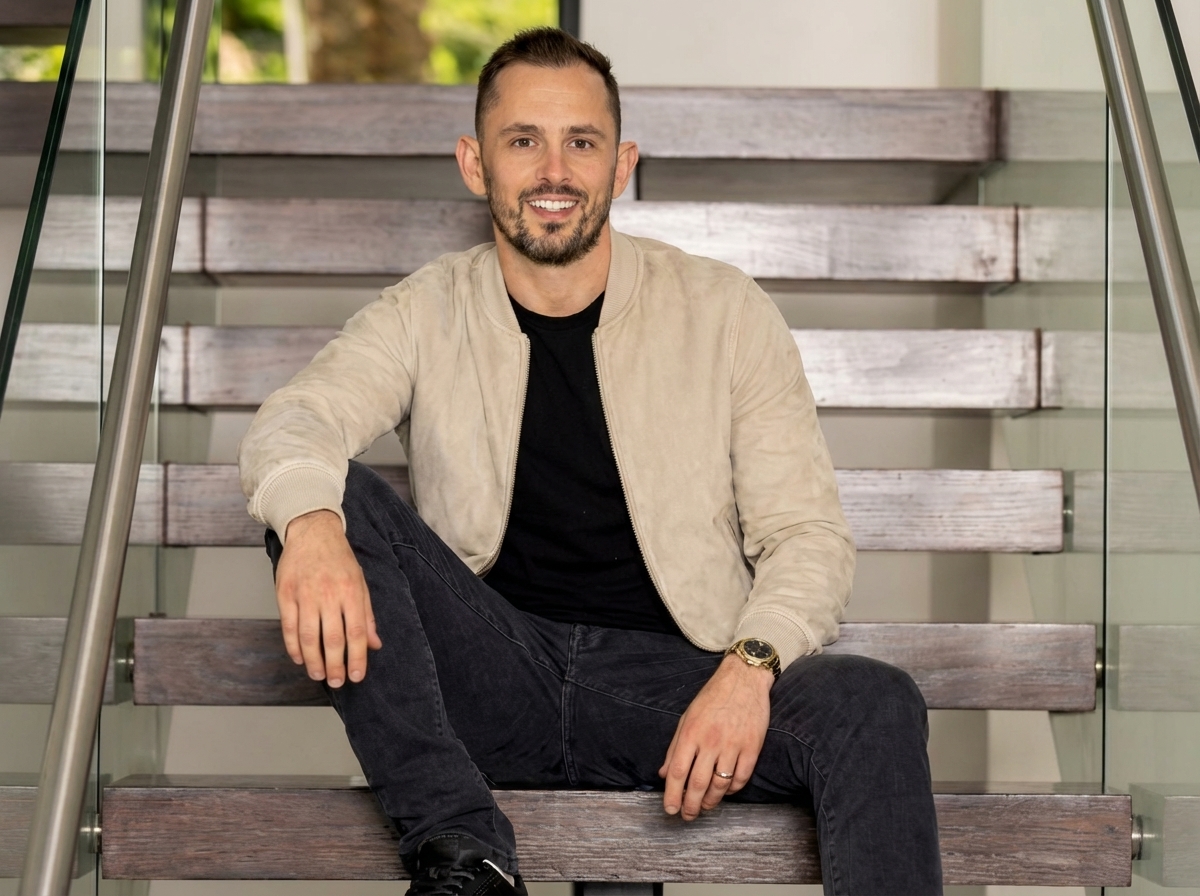
I have been working with international buyers from Europe, Russia and the former Soviet states, Latin America, and the Middle East for my entire career with The Agency Florida. I speak Russian fluently, understand the specific concerns of buyers from post-Soviet markets, and have helped dozens of international clients successfully navigate the South Florida purchase process. My network of trusted attorneys, tax advisors, and private bankers are accustomed to working with international clients and can support you from the initial property search through the final closing.
If you are considering a purchase in South Florida and you are not yet based in the United States, I encourage you to reach out for an introductory conversation. I can provide a market briefing tailored to your buyer profile, discuss entity structuring considerations, and walk you through what the process will look like specifically for your situation.